Saturday, April 25, 2015

Tattoos, Nickel Allergy, Reactions, & Safety

Tattooing has increased in popularity and many young adults consider it a form of body art. The Pew Research Center found that 36% of Americans ages 18-25 have a tattoo.


Tattoos are often associated with body and design art. Yet it is also popular as a way to achieve permanent cosmetics. Permanent eye liner and lip liner techniques implement the same materials and supplies as the body design tattoos. 

http://livingwithnickelallergies.blogspot.com/


Dermatologists are finding an increase of complications such as allergic reactions, serious infections, and reactions to tattoo ink.  Some allergic reactions can mimic skin cancer. 


 So What Is The Body Trying To Accomplish

When It Has An Allergic Reaction?


An allergic reaction is somewhat like a case of mistaken identity within your body's immune system. Normally, your immune system reacts to protect your body against bacteria, viruses or toxic substances.

If you have nickel allergy, your body reacts to nickel and possibly to other metals, such as cobalt and palladium. In other words, it's mistakenly identified nickel as something that could harm you.

Once your body has developed a reaction to a particular agent (allergen) — in this case, nickel — your immune system will always be sensitive to it. That means anytime you come into contact with nickel, your immune system will respond and produce an allergic response.

Your immune system's sensitivity to nickel may develop after your first exposure or after repeated or prolonged exposure. The cause of nickel allergy is unknown, but sensitivity to nickel may, in part, be inherited (genetic). 
Source: The Mayo Clinic


Tattoo Ink Allergy and Reactions


http://livingwithnickelallergies.blogspot.com/


Tattoo ink allergy and reactions occur for some people & it is something to consider when getting a tattoo. Reactions commonly come from the pigments used in the ink.

There are a variety of heavy metals that are often used as pigments and some people react to those ingredients. For example, red is a color that is more likely to give allergic problems than others.

tattoo ink allergy reaction

What is in Tattoo Ink?

There are 2 basic parts that make up Tattoo Ink

  1. Pigments to give it color (iron oxides, plastics, mercury, cadmium, nickel, zinc, titanium, iron, and many others)
  2. Carrier to keep the pigment in suspension to carry it into the dermis and to act as an anti-bacterial/anti-viral agent (alcohol, water, methanol, propylene glycol, glycerin and witch hazel)
 Typically, the pigments are the components that cause people to experience allergic reactions to a tattoo.

Causes of Allergy and Reactions from Tattoo Ink

While allergic reactions to tattoo ink my vary, the most common problems are related to the heavy metal pigments. So if you have an allergy to nickel, copper, iron, iron oxide, and so on, you will probably have a reaction to the tattoo.

Black is most commonly achieved from carbon. Sensitivity to carbon is rare. Other sources of black tattoo color may be found in black ink and logwood. Neither of these are metal derivatives, however, the black waterproof ink contains phenol solution in which charcoal particles are suspended and may be the source of other reactions.

Red pigments come from mercury. It is estimated that between 1 and 5 percent of the general population are allergic to mercury.

Yellow pigments is often made by using cadmium. And this ingredient may cause eczema type reactions for some people. And some people have allergic reactions when the cadmium is exposed to light.

Cobalt is used for the blue pigments. Some people experience hypersensitivity and reactions to this ingredient.

Chromium is used for green pigments and causes eczema type reactions for some people.

Maganese is used for purple tattoo designs. Some people have experienced tattoo granulomas when they are allergic to this ingredient.

While allergic reactions are hard to predict, please ask your tattoo artist to conduct a test patch prior to getting the entire tattoo.  


http://livingwithnickelallergies.blogspot.com/

Be Aware that MRI Exams May Cause 

the Metals in a Tattoo to Temporarily Burn or Sting 


Types of Reactions from Tattoo Ink


Some skin diseases may flare when insulted by local skin injury. Psoriasis may flare locally at the tattoo site. This is called the Koebner phenomenon.

Tattoo inks are typically derived from metals that may cause a wide array of skin reactions. While these can be significant if you are the person affected, they tend to be unusual and affect a limited percentage of the tattooed population.

Patch testing to confirm skin reactions is typically positive for eczematous tattoo reactions, but usually is negative for granulomatous reactions.

Initial reactions from the tattoo include local swelling, redness, bleeding and scab formation. This is expected and considered an acute inflammatory response. It usually resolves within a few weeks. Certainly infection of the open wound is also a potential problem. However, the following are problems that may be seen later on with tattoos, even years down the road:
  • Lichenoid (small bumps or papules of reactive tissue)
  • Sarcoidal granulomas (firm balls of reactive tissue beneath the surface of the skin)
  • Scaling
  • Itching
  • Swelling (often due to a photosensitive/phototoxic reaction)
  • Ulceration (the formation of a sore)
  • Delayed hypersensitivity (a reaction separated by a significant period of time from getting the tattoo, also referred to within the trade as the red reaction)
  • Lymphocytoma Cutis (a skin reaction that mimics lymphoma of the skin and has been associated with tattoos in addition to other causes such as insect bites, some drugs and allergy shots).
 Source: The Science of Tattoos


http://livingwithnickelallergies.blogspot.com/

Skin cancer

Skin cancer can occur within a tattoo, and for that reason Dr. Shinohara explained that tattoo artists need to be careful not to place a tattoo over an existing mole. However, one reaction that can result is a bump that mimics skin cancer, which can ruin the tattoo.
  • This type of bump or lesion that can occur within a tattoo looks like a type of skin cancer known as squamous cell carcinoma. Because the bump is so hard to distinguish from this skin cancer, it requires a biopsy and, in some cases, may need to be treated as a skin cancer, with additional surgery.
  • Dr. Shinohara noted that this unusual reaction is thought to stem from tattoo ink and can result in potentially unnecessary and expensive skin cancer treatment.
 Source: American Academy of Dermatology


http://livingwithnickelallergies.blogspot.com/ 


Safety Precautions in Selecting a Tattoo Artist

  • Does the artist autoclave multi-use items? (This is the best way to sterilize instruments)
     
  • Anything that is autoclaved for multiple use must be sealed and dated to ensure sterility.
  •  Does the artist use single-use sterile disposable needles and tubing?
     
  • Does the artist throwaway leftover ointments, tray, razors, pigments, etc. after completing a tattoo? (Single-use items)
     
  • Does the artist wear gloves?
     
  • Are sterile techniques used during the tattoo process?
     
  • Are needles disposed of in properly labeled containers?
     
  • Does the artist wipe down surfaces with a viricidal/germicidal agent in-between clients?
     
  • Has the artist been vaccinated for Hepatitis B?
  •  
  • Patch testing is recommended if you are concerned about getting reactions. Give the test area enough time to see if a reaction occurs. So this means you will NOT be getting the tattoo on the same day as the patch test. 


In other words, are Universal Precautions performed, just as they would (or should be) in a physician's office?  From an artistic point of view, have you reviewed the artist's portfolio?  Make sure that the tattoos have sharp lines and smooth edges?
Read more here


Important Considerations When You Have 

a Nickel or Metal Allergy

There is no cure for nickel allergy. Once you develop a sensitivity to nickel, you will develop a rash (contact dermatitis) whenever you come into contact with the metal. Once a particular site, such as a tattoo, has reacted to nickel, that site will react even more when re-exposed to nickel.

Tattoos are permanent...no surprise.  But if you have metal allergies, you need to seriously consider all the ways having a tattoo risks your body will continue to react to have metal pigments within the dermis. 


My Personal Thoughts After Learning All This...

My eyes are the area where my nickel and iron oxide allergy is evident.  But I went for 2 years of puffy red and watering eyes before we found out that I have this allergic reaction. Read about my experiences here.


So I continued to wear my eye make up, which contains iron oxides. I after several months, I decided to stop wearing make up and save it exclusively for special events. People often suggested that I skip the make up and just get my eye liner done permanently with a tattoo.  I seriously considered this. But I kept saying I just wasn't sure what was in the pigments used for tattooing, and who would know if I'd react to it.

Thank the Lord I didn't get the tattoo eye liner! It would have been a permanent allergen sitting on my lids!

http://livingwithnickelallergies.blogspot.com/


Other resources:
http://www.tattoomachineequipment.com/tattoo-ink-allergy-and-reactions

http://www.mayoclinic.org/diseases-conditions/nickel-allergy/basics/risk-factors/con-20027616

https://www.aad.org/stories-and-news/news-releases/dermatologist-warns-consumers-about-complications-linked-to-newer-tattoo-inks-

Saturday, April 18, 2015

Grain Brain and Skin Allergies

OK.... Today's post seems unrelated to nickel allergies and contact skin dermatitis. But hang in there.

A few weeks ago, I had an appointment with my Kineseologist/Chiropractor.  I told him of my recent diagnosis of having nickel and iron oxide allergies.  His response....


"You don't have nickel allergy, you have symptoms of Grain Brain."


I thought a moment, and got the basic idea of what he was saying. The doctor recommended that I read The Grain Brain by Dr. David Perlmutter. 


So before I bought the book, I looked it up on YouTube (where the highest quality research results are available, right?) :) 


Great interview, great information! So then I bought the book.


Take a look at some of the concepts Dr. Perlmutter uses and how this relates to contact dermatitis and nickel allergy:

“Inflammation, which you know by now is the cornerstone of many brain disorders, can be initiated when the immune system reacts to a substance in a person’s body. When antibodies of the immune system come into contact with a protein or antigen to which a person is allergic, the inflammatory cascade is provoked, releasing a whole host of damaging chemicals known as cytokines. Gluten sensitivity in particular is caused by elevated levels of antibodies against the gliadin component of gluten. When the antibody combines with this protein (creating an anti-gliadin antibody), specific genes are turned on in a special type of immune cell in the body. Once these genes are activated, inflammatory cytokine chemicals collect and can attack the brain. Cytokines are highly antagonistic to the brain, damaging tissue and leaving the brain vulnerable to dysfunction and disease — especially if the assault continues.”


"At the root of the problem? That sticky wheat protein, gluten. Although the jury is still out on the connections between gluten sensitivity and behavioral or psychological issues, we do know a few facts: People with celiac disease may be at increased risk for developmental delay, learning difficulties, tic disorders, and ADHD.6 Depression and anxiety are often severe in patients with gluten sensitivity. This is primarily due to the cytokines that block production of critical brain neurotransmitters like serotonin, which is essential in regulating mood. With the elimination of gluten and often dairy, many patients have been freed from not just their mood disorders but other conditions caused by an overactive immune system, like allergies and arthritis. As many as 45 percent of people with autism spectrum disorders (ASD) have gastrointestinal problems. Although not all gastrointestinal symptoms in ASD result from celiac disease, data shows an increased prevalence of celiac in pediatric cases of autism, compared to the general pediatric population. The good news is that we can reverse many of the symptoms of neurological, psychological, and behavioral disorders just by going gluten-free and adding supplements like DHA and probiotics to our diet.”


Am I Eager and Ready For This New Lifestyle?

Truthfully? Yes and no.  I'm eager for the results. There are so many benefits that have long lasting implications, that I know my husband and I BOTH need this. 

Am I ready to start? Umm.....not that much. I am usually very quick to start a new eating plan. I usually read the book in a couple of days and then start the plan.


But with The Grain Brain, I find I have been reading it very slowly.  I realized I have been dragging my feet. Because once I'm finished reading, I am fully accountable. I know I need it, but I don't want to do it.


My cousins have Celiac's Disease.  They live the gluten free lifestyle.  I know a bit about how challenging this lifestyle can be. 


I've gone grain free before.  It can be done, but is not fun. I LIKE grains! But I will start this plan with the thought that it is a lifestyle.


 The other hang up I'm overcoming is the big reduction in white sugar and high fructose syrup.  I eat pretty healthy, but sugar is my area of weakness. 


Well, I'm just about finished reading the book. Then our eating plan begins. 


I'm really hoping for some z big improvements in my eye issues. The doctor said if I enact this plan, I should see improvements in 3-8 months. That is worth the try.  


At the very least, I KNOW I will lose weight.  So let's see!


Saturday, April 11, 2015

The Basics: Lifestyle and Home Remedies


Lifestyle And Home Remedies

A few simple treatments may help to improve your contact dermatitis from nickel allergy.  If you find these treatments don't help or the allergy gets worse, contact your doctor. 


Here were the immediate lifestyle changes I made after I was diagnosed as having a nickel and iron oxide allergy:


Stop touching my face with my hands. "Touching doesn't cause the following but most definitely worsens acne, contact dermatitis and herpes simplex," explained Dr. Shamban, board-certified dermatologist and Heal Your Skin author. "Bacteria, viruses and allergens transfer from fingertips onto the skin. Also, repeatedly rubbing the skin can do some real damage."


Washing hands frequently, in order to lessen nickel exposure. Or at the very least, you can shorten the exposure time.


Wearing gloves when I cannot avoid touching nickel (such as a workplace exposure).


Home Remedies That Can 

Ease Nickel Allergy Rashes

  • Use soothing topical treatments to ease itching:calamine lotion, lavender essential oil, roman chamomile essential oil.
  • Moisturize regularly to build up a barrier for your skin.Your skin's natural barrier is disrupted when it reacts to nickel and other allergens. Using emollient creams, lotions, or essential oils could reduce your need for topical corticosteroids. Try petroleum jelly, mineral oil, or essential oils to build this barrier. 
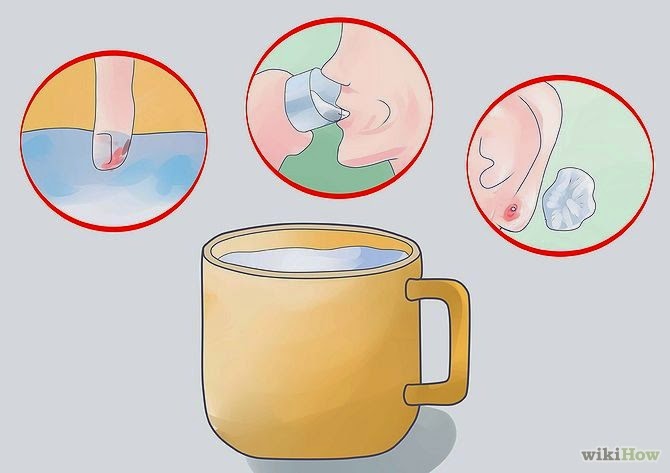
  • Apply wet compresses to help dry blisters and relieve itching. Soak a clean cloth in Burow's solution, an over-the-counter medication containing aluminum acetate; diluted white vinegar (1 ounce of white vinegar to 16 ounces of water); or tap water. Place the compress over the rash for 15 to 45 minutes. You can repeat this process several times a day. Oatmeal compresses can help too.


  • Topical corticosteroids (hydrocortisone) can lessen itching and improve the rash. Try to apply the over-the-counter cream to the affected area before applying a wet compress. This could allow better penetration into the skin. Talk to your doctor about how long you can safely use the product because your skin can become addicted to it. Read this woman's story about it. 
  • Try over-the-counter oral antihistamines, such as diphenhydramine (Benadryl), which may help relieve itching for a short time, but tend not to be effective for this type of allergy.
Avoid certain over-the-counter ointments, such as antibiotic creams, which may contain ingredients — particularly neomycin — that can worsen an allergic reaction. 


Read more recommended remedies from Mayo Clinic:
http://www.mayoclinic.org/diseases-conditions/nickel-allergy/basics/lifestyle-home-remedies/con-20027616 


Saturday, April 4, 2015

Piercing Safety, Allergic Reactions, & Infections


Certain factors may increase 

your risk of developing a nickel allergy


Having ear or body piercings. Because nickel is common in jewelry, nickel allergy is most often associated with earrings and other body-piercing jewelry containing nickel. If the first jewelry you wear after a piercing contains nickel, your body is constantly exposed to the metal during the healing time. And people who have piercings often wear jewelry every day. The more piercings you have, the greater your risk of developing a nickel allergy.
                                   Source: MayoClinic


 Tips for Getting Piercings

1. Work with professionals who follows local health department guidelines. That is the best way to prevent infection. Professionals also use procedures to prevent against the transmission of blood-borne diseases, like tetanus or HIV. 

2. Use a properly licensed piercing studio. Your state, county or city health department will have information on licensing requirements for piercing studios.
Avoid  DIY piercing. Doing it yourself or having an untrained friend perform the piercing is unsafe, since you don't have sterile tools and antiseptic procedures are required to minimize the chances of infection.

3. Make sure the piercer uses appropriate equipment. Piercers should wash their hands between piercings and wear a fresh pair of protective gloves for each piercing. Avoid ear-piercing guns because they cannot be sterilized properly (unless they use a disposable piercing gun).  The jewelry used with piercing guns is relatively blunt, causing unnecessary damage to the piercing. When the wrong type of piercing tool is used, corrosion causes the release of nickel ions, which can leach onto the skin. The same goes for studs used while the ear lobes are healing.

4. Make sure that the piercer sterilizes all non-disposable equipment. Professional piercers use an autoclave (a sterilization machine) to sterilize equipment. Piercers should sterilize larger equipment with a commercial disinfectant or bleach solution after each use.

5. Expect your piercer to use hypoallergenic jewelry. Surgical steel, titanium, niobium or 14 or 18-carat gold are appropriate for a new piercing. Avoid nickel, which commonly causes allergic reactions.


General Treatment After Piercing

Suggested Materials:
  • Sea Salt
  • Mild Anti-Bacterial or Antimicrobial Liquid Soap/Wash (Like Provon or Satin)
  • Cotton Balls
  • Cotton-tipped Swabs
  • Small disposable cups (2-4 ounces)


Cleaning Your Piercing:

1. ALWAYS wash your hands thoroughly. Never touch your piercing or jewelry with dirty hands.

2. Saturate a cotton ball with warm water, and gently wipe away any crusty deposits that have gathered around the piercing site. Throw the cotton ball away.

3. Apply a generous amount of liquid soap to your fingertip, and rub onto the piercing site and jewelry. Make sure you get the soap everywhere. Rotating the jewelry is not necessary as long as you work the soap around the piercing and jewelry completely.

4. Rinse the piercing and jewelry several times with warm water, ensuring that all soap has been removed.

5. Dry your piercing with a clean paper towel and then dispose of it.
                                Source: About.com - Piercing Aftercare


Other Healing Aids To Use After Piercing:

  • Coconut oil (has antibacterial properties)
  • Tea Tree Oil/Melaleuca Oil (antibacterial properties)
  • Lavender Oil (antibacterial and soothing properties)
  • Saline Solution made with Sea Salt (NOT iodized salt)


How to Treat An Infected Piercing

If these symptoms last for 2 or more days, it is probably infected:
  • Red, inflamed streaks or marks on the skin that radiate out from the piercing site.
  • Increased pain, redness, swelling, heat, or tenderness around the piercing site.
  • A thick yellow-green pus-like discharge coming from the piercing site. It's normal to see a bit of oozing or bleeding from the piercing which is a sign of healing, but be alert for pus combined with swelling and redness.
  • Swollen or tender lymph glands above or below the piercing. With an ear piercing, you may feel sore and swollen glands in your neck around your jawline.
  • Fever. If you're otherwise healthy (no cold or flu), and you develop a fever, this is cause for concern.
Piercings can become infected shortly after the piercing occurs. AND it can also happen years after the piercing. Regardless, contact your doctor to get treatment for the infection.

Infection or Allergic Reaction?

Signs of an allergic reaction versus an infection include burning sensation on the skin, an expanding wound, and a clear yellow discharge.

PLEASE NOTE: Once you experience an allergic reaction with a piercing, the allergic reaction will always be a possibility. And each time you expose your piercing to that same allergen, the reaction will increase. 

For instance, if you are allergic to nickel, each time you wear jewelry containing nickel, the allergic response will be worse. So the key is to eliminate exposure of the allergen in order to limit allergic responses.

Read about safe metals for piercings here


Saturday, March 28, 2015

Hypoallergenic VS. Nickel Free


What is "Nickel Free"?

I don't know about you, but "nickel free" is a confusing term. Did you know  that jewelry marked nickel free is still allowed to contain a very small amount of nickel??  It is a very tiny amount, and requires extremely sensitive instruments to measure that amount, but it is there.


The European Union's (EU) Nickel Directive places limits on the amount
of nickel that is released to the skin via jewelry and other products. This way of measuring is very different from the U.S. way of measuring the percentage of nickel that exists in an alloy's composition.  Here are the Nickel Directive's "migration limits":


  • 0.2 micrograms per cm² per week for post assemblies inserted into pierced ears and other pierced parts of the human body
  • 0.5 micrograms per cm² per week for other products intended to come into direct and prolonged contact with the skin.
Read the EU Nickel Directive here

  Great Britain (UK) has adopted the EU Nickel Directive as the country's standard. Jewelry artists and marketers must comply with the EU Nickel Directive, in order to sell products to customers in the UK or EU.


The US does not yet have a standard for allowed amounts of nickel in jewelry. If the US sets a standard, we can only hope it will be the same as the EU Nickel Directive.


What does "Hypoallergenic" mean?

 "Hypoallergenic" means "below the normal level" of allergenic reactions. This name originated in the cosmetics industry in the 1950's, and the jewelry industry adopted the term soon afterwards.


Sometimes we mistake the meanings of

"Hypoallergenic" and "Nickel Free"


It is easy to confuse both terms as being synonymous/the same thing. But make sure to know the difference, especially if you are allergic to nickel OR a jewelry artist.

Hypoallergenic does not mean it is nickel free. In fact, hypoallergenic has NO legal or medical definition related to jewelry.

The safest approach is to find out which specific materials are used in jewelry and cosmetics. The vague term "hypoallergenic" is not to be taken as a guarantee of materials included in the jewelry or cosmetics.


How to Shop for Jewelry 

If You Have a Nickel Allergy 

The best approach is to shop for jewelry that gives you a list of the products used to make it. Try to buy items that are 100% pure, containing just one type of metal. That way you are assured that nickel exposure is completely avoided. As long as the U.S. lacks a directive, search out jewelry made from the following metals:
  • Niobium
  • Titanium
  • 304 stainless steel
  • 304L stainless steel
  • 430 Stainless Steel
  • Argentium sterling silver  
  • 14K yellow gold 


 Information in this post came from:
http://www.rings-things.com/resources/nickel-free.html

Another great resource comes from Dermatologist.com  which also points out about half of the toys in America contain nickel.


In general, I understand why the phrases "hypoallergenic" and "nickel free" originated. It mainly is an easy term that allows brief labeling to be accomplished for logos and such.

BUT those of us who are allergic to nickel or other alloys MUST make it our job to know exactly what those terms mean, and to protect ourselves from unexpected exposure.


Looking for safe jewelry that does NOT contain nickel?
Read my previous post here.


Sunday, March 8, 2015

Nickel Free Earrings & Jewelry


What is "Nickel Free"?


The term "nickel free" can be confusing since jewelry marked nickel free is still allowed to contain a very small amount of nickel ... but, it is such a tiny amount that it takes extremely sensitive instruments to measure it.  Regardless, if you have an allergy to nickel, you need to know what you are getting in your jewelry products.

Remember, reducing your exposure to nickel will lower your negative reactions in the future. Even if you risk an evening with some earrings containing nickel, you risk a stronger flare up of allergies in the future.


Looking for Nickel Free Jewelry 

in the U.S. in Comparison to the E.U.

Nickel Free or EU Nickel Directive? Since there isn’t a formal U.S. definition of nickel free, and alloys vary, a good way to find items that are very low nickel, is to search for items that say they meet the EU Nickel Directive.

Another method is to avoid alloys entirely, and focus on elemental metals such as niobium and titanium. For more information about the term “nickel free”, see our Nickel-Free Metals Information page.

Good Metals to try: Carefully check out these metals and links to see which metals are likely to work best for you. Niobium,Titanium, 304 stainless steel,  304L stainless steel, 430 Stainless Steel, Argentium sterling silver,

Learn more at these sites: 
 http://www.rings-things.com/blog/2013/06/03/surgical-steel-and-hypoallergenic-metals/comment-page-1/

http://www.naturallynickelfree.com/NaturallyNickelFree-handmade_jewelry_for_sensitive_skin/Metals_Info.html


I've found some great sources for jewelry that is safe for all of us who struggle with nickel allergies. Thank goodness for the internet, so I can find these artists so easily!!!


http://shop.naturallynickelfree.com/   

Mary Jo Wallace is the artist who works with niobium, argentium, titanium,brass, bronze, & pewter.  Make sure to check out her blog, too.


http://www.hollyyashi.com/guides/metal-allergies.html  

niobium, sterling silver, gold fill, gold overlay, copper, and brass


 https://www.etsy.com/shop/NonitaJewelry?section_id=16007128&ref=shopsection_leftnav_7  

Nonita jewelry :Niobium & Titanium jewelry


Only the ear-hooks are hypoallergenic. The other parts are made of different types of metals.


Some jewelry is here, along with a lot of jewelry making supplies. Just make sure the item says, "nickel free"


 http://www.amazon.com/s/ref=sr_ex_n_1?rh=n%3A7141123011%2Cn%3A7147440011%2Ck%3Aargentium+silver&bbn=7141123011&keywords=argentium+silver&ie=UTF8&qid=1425841036


http://www.simplywhispersstore.com/


I am considering whether it is worth the effort to learn to make my own jewelry. Here is one resource for nickel free findings and jewelry supplies, just be sure to look up niobium and truly nickel free products, because alloy products are also shown here :

http://www.rings-things.com/


Another alternative is to use Invisible Plastic Earring Pin posts like these:


<<Buy them here


Well that is all I have so far.  I am sure so discover more resources in the near future.  Do you have any other resources for finding Nickel Free Earrings & Jewelry?  Please contact me or write it in the comments below.


Please "like" my page on Facebook, Living With Nickel & Iron Oxide Allergies.   Hope to see you there!


Saturday, March 7, 2015

The Basics: Foods with Nickel

 When you are diagnosed with severe nickel allergy,  it is important to seriously consider using a nickel-free, nickel-avoidance diet. 

When I first heard the diagnosis of having a nickel allergy, I thought, "No big deal. Just avoid wearing cheap jewelry." But nickel is also found in the foods we eat and affected by the way we prepare it. YIKES!


I have been heavily doing my research to learn which foods have a high content of nickel. Every website has different foods and conflicting information.  The list of items below is based upon a nickel allergy flyer my dermatologist gave me:

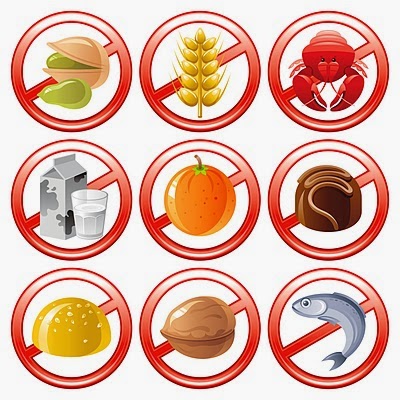
Severely allergic individuals may choose to avoid foods which are rich in nickel. Dietary intake of some foods has been shown to aggravate dermatitis, especially hand dermatitis.  Your doctor may instruct you to avoid some foods which typically contain higher amounts of nickel, including asparagus, chocolate, peanuts, beans, peas, rhubarb, cabbage, oysters, spinach, herring, tea,  mushrooms, whole meal flour, pears, sprouts, corn, raisins, onions, tomatoes, and baking powder.


Wow! Some of those items are biggies that show up frequently in my diet: chocolate, beans, cabbage,  tea, onions, and tomatoes.


nonickel.com provided the following 

list of foods to avoid for nickel allergy:

Grains:   Whole wheat bread, multi grain breads, multi grain cereals, wheat bran, wheat germ, whole wheat pasta, oats, oatmeal, buckwheat, seeds, rye, millet

Vegetables:  Beans, lentils, peas, soy products (tofu, soy sauce, soy beans) sprouts, brussel sprouts, asparagus, broccoli, cauliflower, spinach, canned vegetables, red kidney beans, chickpeas, cabbage, corn, mushrooms, onions, carrots
Fruits:  Canned fruit cocktail, pears, bananas, canned fruits, tomatoes, raisins, rhubarb, dried fruit


Meats:  Shellfish, herring, mackerel, tuna, processed meats with fillers or coatings, canned meats and fish


Beverages:  Tea, chocolate milk, beer, red wine 


OTHER SOURCES OF DIETARY NICKEL TO AVOID:
  • Chocolate and cocoa powder (especially dark chocolate)
  • All nuts (walnuts, peanuts, almonds, hazelnuts, soy nuts)
  • All seeds (sunflower seeds, linseed) 
  • Licorice
  • Baking powder
  • Gelatin 
  • Marzipan 
  • Margarine 
  • Commercial salad dressings
  • Vitamins containing nickel
  • Canned foods in general
  • Stainless-steel cooking vessels used for cooking acidic foods
  • The first quart of tap water drawn from any faucet in the morning.  
WAYS TO PREVENT YOUR BODY FROM ABSORBING THE NICKEL YOU EAT
  • Take a vitamin C supplement with each meal.
  • Eat a high iron diet


>>I'm still researching the "high iron diet". Often those types of foods are on the avoidance list. And isn't iron what I'm trying to avoid?


Penn State Hershey Dermatology published the following tips to help with nickel allergy:

 Various food items and drinks can aggravate nickel dermatitis even though the nickel content of these foods may be low. These include beer,wine (in particular, red wine), herring, mackerel, tuna, tomato, onion, carrot, and certain fruits, in particular, apples and citrus fruits (juice). These vegetables can usually be tolerated when cooked.

The first liter of water taken from the tap in the morning should not be used in food preparation, as nickel may be released from the tap during the night. Nickel-plated kitchen utensils, such as egg beaters and tea balls, should be replaced.

Acid foods such as stewed fruits and rhubarb cooked in stainless steel utensils should be avoided. The acids in the foods can cause nickel to be released from the utensils. Canned foods should be eaten only in moderation.

Hand dermatitis that is affected by nickel in food will also be made worse by other conditions. Prolonged physical contact with nickel-plated items should be avoided. Other substances that can irritate sensitive skin, such as soapy water, household cleaning agents, raw fruits and vegetables, garden soil, and oil products used in repair work, should also be avoided.


Honestly, I haven't moved into the kitchen tool replacement at this point. If I do it, I will try to avoid nickel exposure in my foods, versus avoiding hand contact with tools containing nickel. It all depends on how your body is reacting with your  nickel allergy. Since I am already washing my hands frequently, avoiding touching my face, and my eyes seem to react the most, touching nickel in kitchen tools is not my biggest area of concern.


Other resources:


Having a nickel allergy involves a lot of research, financial investment, and thought. But once the learning curve is over, I hope it will be a regular part of life.

I would love to hear about your experiences with having a nickel allergy. Please leave comments below.